CONSTRUCTION

Built for the business of construction growth.

Construction growth runs on relationships, timing, reputation, and knowing where to focus.

Unanet helps construction firms connect the signals across relationships, opportunities, pursuits, and market activity—then use AI to understand what matters, act sooner, and turn more opportunities into wins. 

swn-primary-horiz-rgb
Spotlight (3:58)

Trusted By

Construction Challenges

As construction firms grow, growth gets harder to see.

More markets, more relationships, more pursuits, and more people touching the client create more opportunity—but also more signals scattered across inboxes, meetings, systems, and teams.

The firm can no longer just track the pipeline. It has to drive growth.

SEE GROWTH EARLIER

The signals behind your next win are already there. 

An owner planning what’s next. An architect assembling a team. A project executive hearing about new work. A relationship getting stronger—or going quiet.

The advantage is seeing them early enough to act.

Unanet CRM provides our people with extremely powerful insights, allowing them to make decisions based on solid information rather than speculation and gut instinct.
Don Adair,
Chief Revenue Officer, Swinerton
 

Find opportunities sooner

Turn conversations, market activity, relationship intelligence, and other signals into opportunities your team can pursue. 
 

Choose the right pursuits

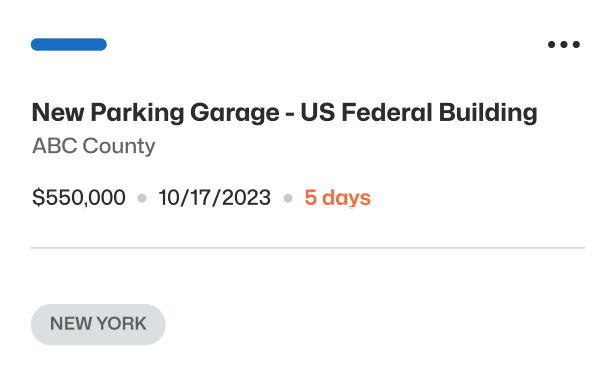
Bring client history, relationships, relevant experience, competition, and strategic fit together before committing valuable pursuit resources.
 

Keep growth moving

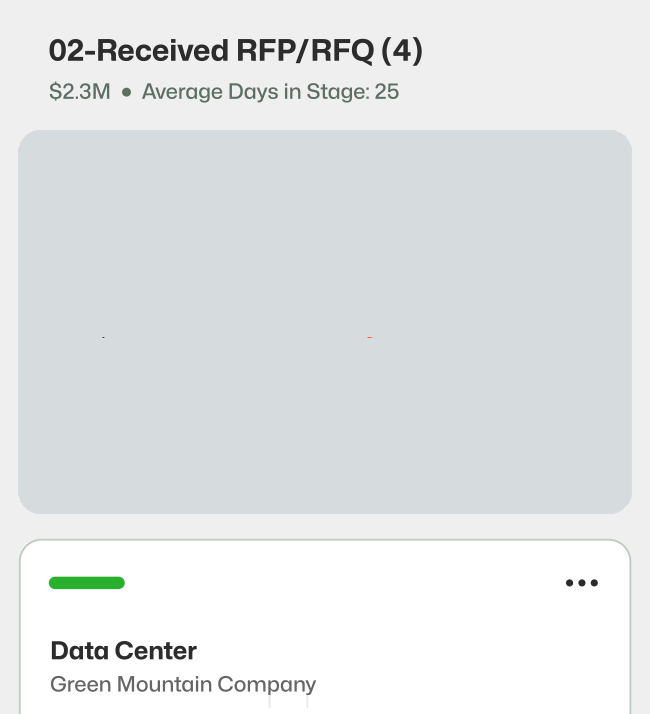
See stalled pursuits, missing follow-up, relationship gaps, and opportunities that need attention before they slip.
 
Construction Products
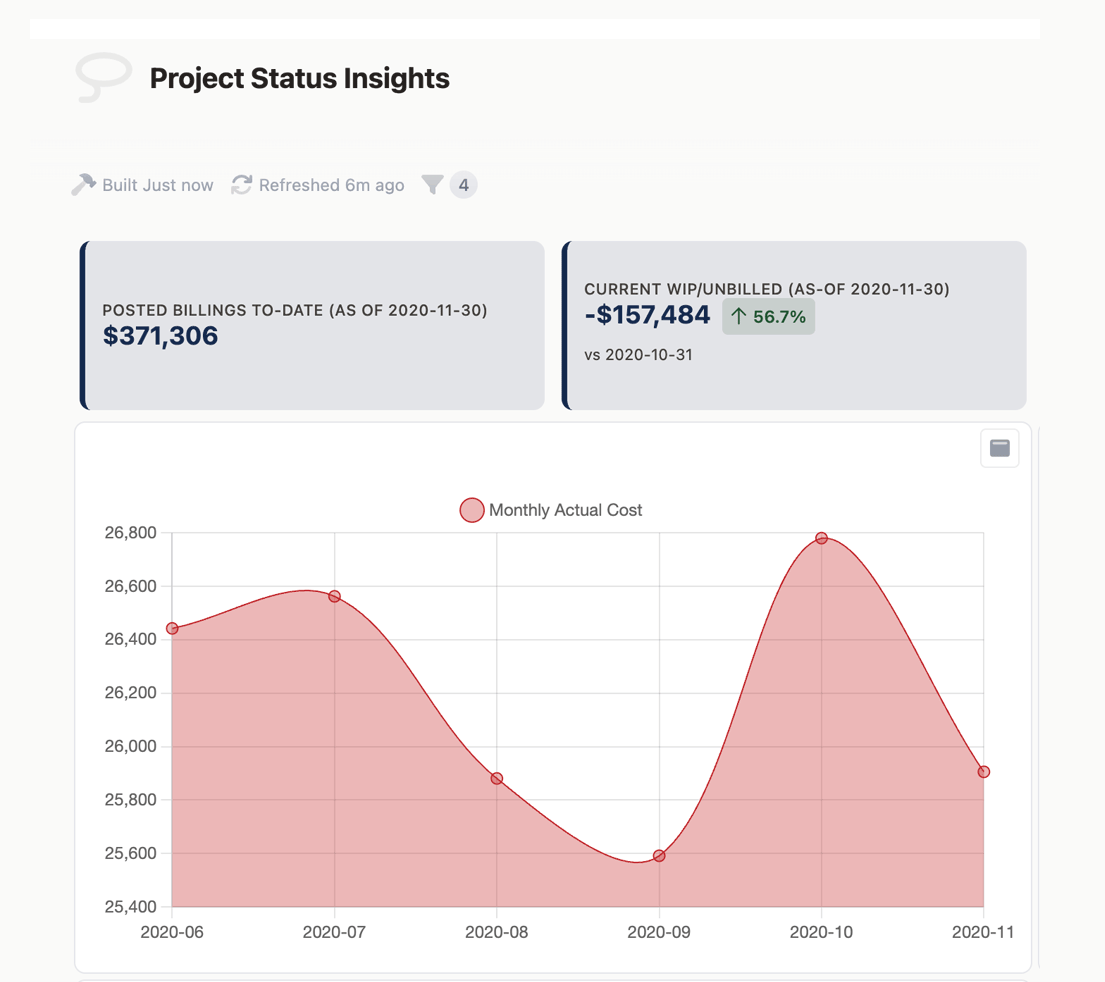
How is my project performing right now?
 

Meet Champ AI

What if your growth system could work the pursuit with you? 

ChampAI connects context across Unanet and your connected systems to help teams understand what’s happening, decide what matters, and take action. Ask a question. Get a trustworthy answer. Take action, instantly.

From question → to context → to action. 

See Unanet Champ in action

What is my pipeline health over the next 12 mos?

Pipeline Health

What is my pipeline health over the next 12 mos?

Firm Pipeline Health By Sector

Heathcare
$5,000,000
  3.7%
 
Education
$3,000,000
Flat
Tech
$12,500,000
  5.2%
Retail
$2,000,000
  -0.3%
Fire Away...
Restart Example

Built for the people who win the work.

Less data entry. More intelligence from the work already happening. 

Growth doesn’t belong to one department. Winning work depends on BD, marketing, executives, project leaders, and the people across the firm who know the client and the market. 

Unanet helps put that collective intelligence to work—without expecting everyone to become a CRM expert.

Business Development

Build relationships, uncover opportunities, and advance pursuits without turning CRM administration into another job.

  • Know the market
  • Strengthen relationships
  • Focus the pursuit

Marketing

Find the project, client, people, and pursuit intelligence you need without starting another information hunt.

  • Move faster
  • Support better pursuits
  • Make expertise easier to find

Construction Executives

Understand where growth is coming from, which opportunities need attention, and whether the team is focused on the right work.

  • See what’s happening
  • Know what’s coming
  • Act sooner

Project and Client Leaders

Put the relationships and experience of the people closest to the work to use without asking them to constantly maintain another system.

  • Capture more intelligence
  • Less friction

Recommended For You

Frequently Asked Questions

An AEC CRM is a customer relationship management platform built specifically for architecture, engineering, and construction firms — where firms win work by selling their reputation and past project experience rather than a standard product or service. Unlike horizontal CRMs such as Salesforce or HubSpot, an AEC CRM comes preconfigured for how project-based firms actually operate: tracking opportunities from an early rumor of work through pursuit, proposal, and win; managing teaming partners who may be a competitor on one pursuit and a partner on the next; and connecting project, personnel, and past-performance data to proposals. Generic CRMs typically require heavy customization to fit this workflow, and those customizations tend to break with updates. Unanet CRM is purpose-built for AEC, which is why it holds the largest market share among AEC firms that use a CRM. 

The most common reason AEC CRM initiatives fail is low user adoption — firms roll out a tool to the BD team, don’t change any underlying processes, and simply encourage everyone else to use it, which results in incomplete data and lost trust in the system. The most frequent complaint we hear is: “we had a CRM previously and adoption was really bad — nobody wanted to use it.” Successful adoption treats implementation as change management rather than a technology rollout: define a clear “why,” make required fields part of a standard workflow, and give users easy access points such as an Outlook plug-in, mobile app, and web app so updating records fits into their day. Ease of use matters because if a tool isn’t easy to enter notes and opportunities into, people won’t use it — and the resulting data is unreliable. 

Yes. A CRM built for AEC should connect to the ERP and accounting systems firms already use — including Deltek, Sage 100, Sage 300, Viewpoint, Procore, and Trimble Construction — so business development, finance, and executives work from shared, real-time data instead of siloed tools and multiple versions of the truth. A common frustration firms report is that custom-built integrations between a generic CRM and their ERP are “highly custom and very fragile,” making data hard to keep in sync. Because Unanet CRM shares a platform and data lake with Unanet’s ERP, project and contract data (such as updated contract values from change orders) flows between systems, which also means existing dashboards can be remapped rather than rebuilt. 

An AEC CRM centralizes project experience, employee qualifications, resumes, and pursuit information so proposal teams can find and reuse approved content faster. Instead of searching through spreadsheets, shared drives, and past proposals, teams can access relevant information in one place and move it into proposal templates. This reduces administrative work and gives marketers more time to improve strategy, messaging, and quality.

A CRM captures client relationships, contact history, project experience, and business-development activity that might otherwise remain in personal inboxes, spreadsheets, or employees’ memories. When senior leaders retire or employees leave, the firm retains a searchable record of who knows each client, what work has been completed, and how relationships have developed over time.

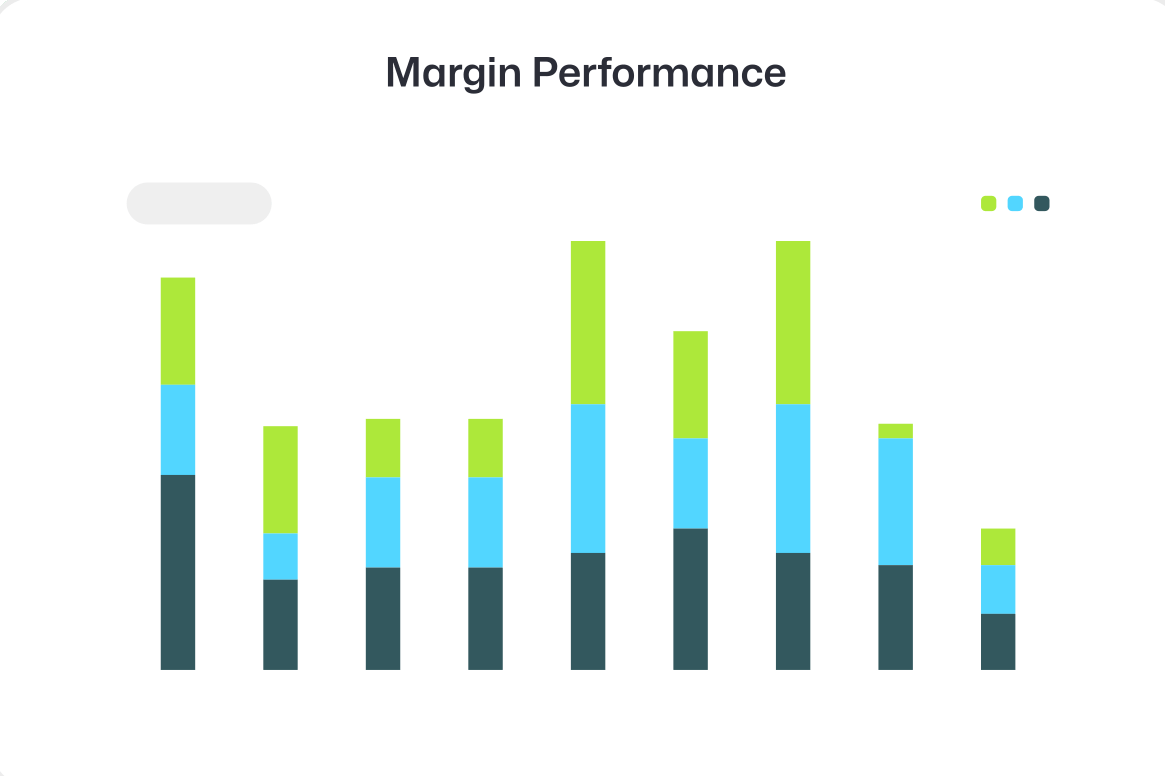
An AEC CRM provides a centralized view of early opportunities, active pursuits, proposals, and expected awards across the firm. Leadership can use pipeline dashboards, opportunity stages, probabilities, and projected revenue to evaluate future workload and make more informed hiring, investment, and growth decisions. A shared CRM also helps business development, operations, and finance align around the same forecast.

An AEC CRM gives firms a consistent, data-driven way to evaluate opportunities before investing time and resources. Teams can use structured go/no-go criteria to assess client relationships, relevant experience, competitive position, staffing, and win probability. Because project history, personnel qualifications, and past pursuit results are already available, firms can focus on the opportunities they are best positioned to win.